



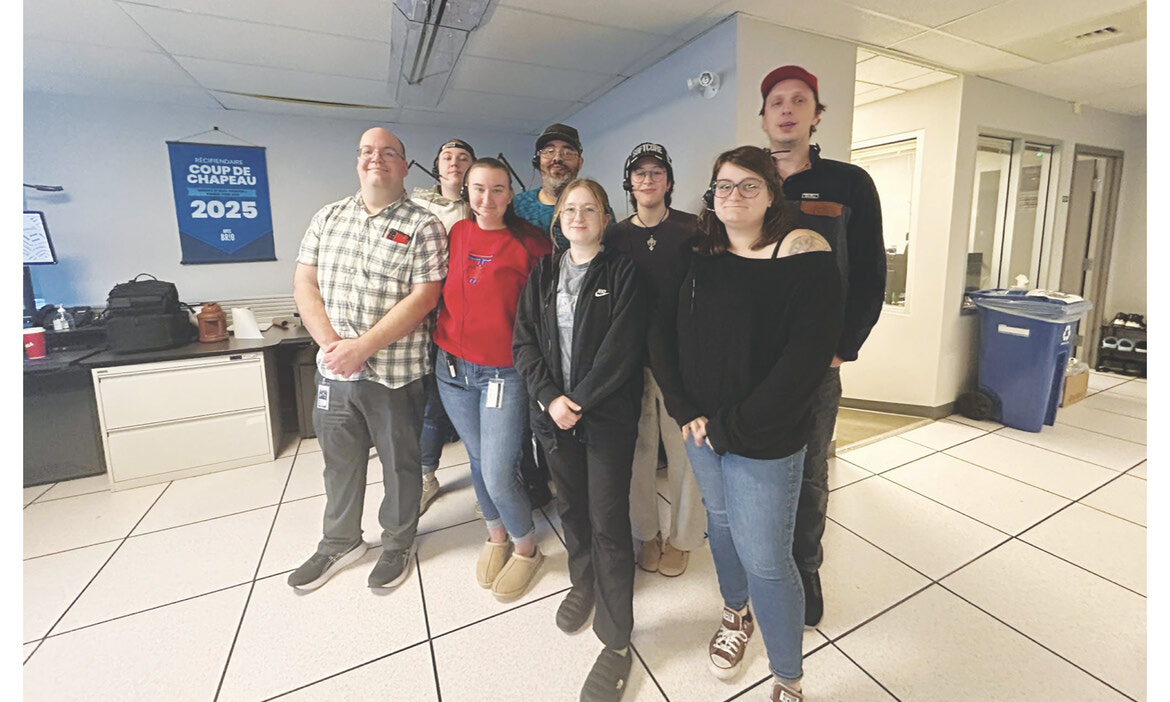
Gatineau's 9-1-1 dispatchers ask that callers remain on the line
Tashi Farmilo
Amélie-Kim Berlinguette has spent 16 years answering calls that most people hope they never have to make. She works as an emergency communications operator with the City of Gatineau, currently on release as an occupational health and safety officer for the Syndicat des cols blancs de Gatineau (SCFP 5400), part of a team of roughly 73 dispatchers who collectively handled more than 300,000 calls last year. National Emergency Telecommunications Week, marked April 12 to 18, offered a moment to recognize that work.
The role is more varied than many residents might expect. Dispatchers rotate between posts, supporting police, fire, and other services on different shifts. The 300,000-plus calls handled in 2025 covered both urgent 9-1-1 calls and non-urgent requests directed to police services. The team of approximately 70, based in Gatineau, has remained stable in size for several years, Berlinguette said. Paramedic dispatch in Gatineau is handled separately and does not fall under her team's responsibilities.
Serving an area where at least one in three calls is in English, all dispatchers are required to be bilingual and are tested at the time of hiring. Operators switch languages constantly throughout any given shift. "The dispatchers are very used to switching quickly from one language to the other, from French to English," she said. "It happens automatically. It's part of our reality."
For Berlinguette, the core of the work comes down to the sense of purpose it provides. Dispatchers are the first link in a chain that ultimately brings police cruisers or fire trucks to people's doors. "We feel like we make a difference. We appreciate knowing that, in the end, we are part of the solution. We help citizens and we also contribute to the safety of firefighters and police officers."
She also had a practical message for the public. The most important thing a caller can do, she said, is stay on the line, even if the call to 9-1-1 was an accident. Hanging up does not resolve the call and can delay a response. Dispatchers need time to ask critical questions, above all the address where help should be sent. "It's important to take the time to speak with the person who answers," Berlinguette said. "Callers are our eyes."