


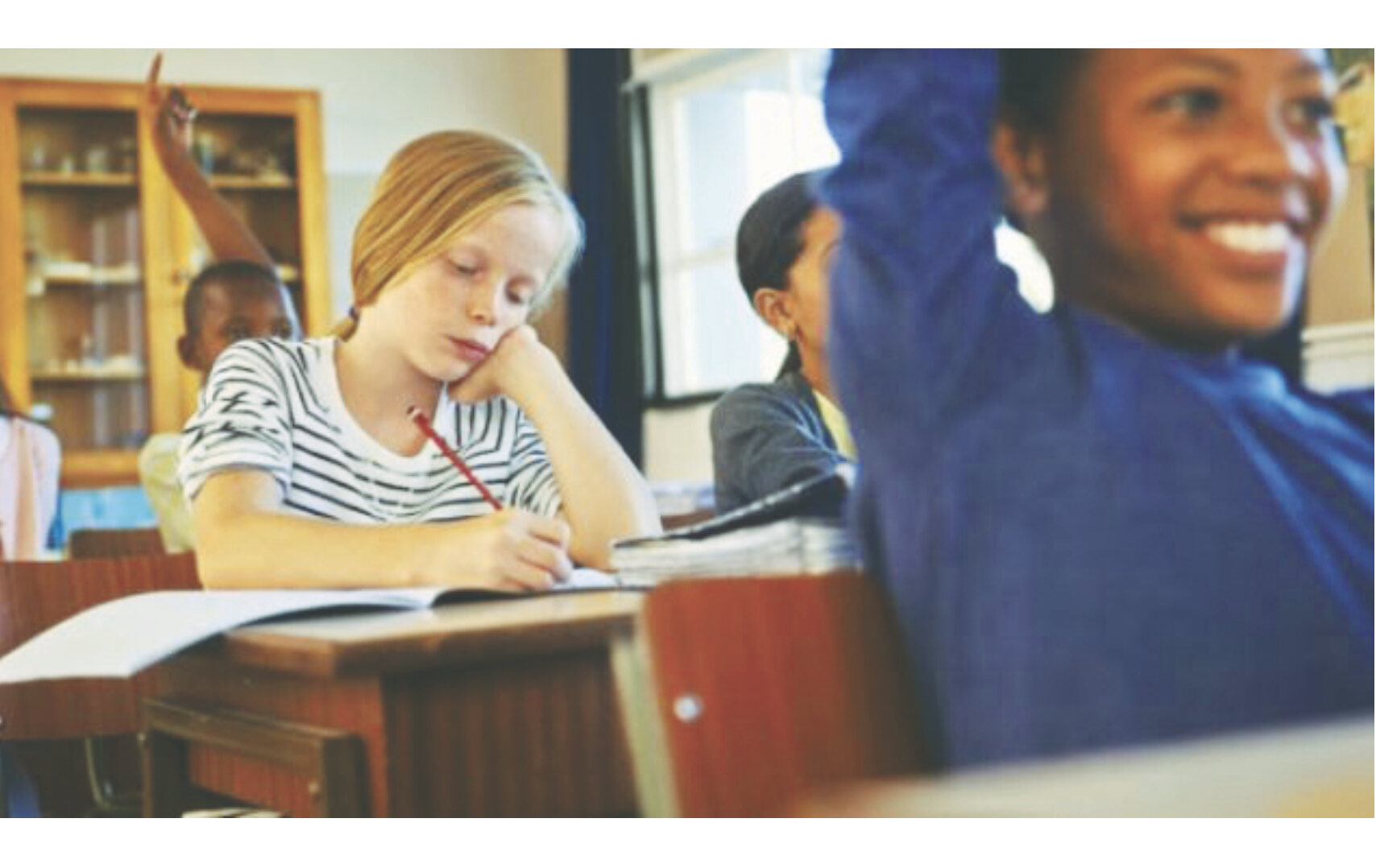
The 2026 National Survey on Family Well-Being invites Quebec parents to share insights on mental health, screen use, and family life, aiming to shape support strategies through real-world data. Photo: Courtesy of the English Parents' Committee Association's Facebook page
Parents urged to share realities in Family Well-Being Survey
Tashi Farmilo
The National Survey on Family Well-Being is now underway, inviting parents across Quebec to take part in its third edition before the February 13 deadline. Led by the English Parents Committee Association of Quebec, the Fédération des comités de parents du Québec, and Dr. Mélissa Généreux, the annual survey gathers data to better understand the pressures facing families today.
Since 2024, the annual survey has gathered responses from over 10,000 parents of elementary and secondary school students. The initiative is aimed at building a detailed and representative understanding of the challenges families face, including mental health deterioration, increased use of medication among children, screen time management, and social polarization.
Conducted under the supervision of Dr. Généreux, a professor in the Faculty of Medicine and Health Sciences at the Université de Sherbrooke, the 2026 edition explores the place of digital technology in children's lives and their relationships with others. The survey also addresses coping strategies, day-to-day challenges, and the experiences of children with special needs. All responses are anonymous and confidential.
“In Quebec, we have documented this year that parents are increasingly seeking help for their children's mental health and that children are consuming more medication, particularly psychostimulants and antidepressants,” said Dr. Généreux. “Parents are also more likely than before to report poorer mental health. Our survey will help us better understand these phenomena, among other things.”
The survey comes amid broader concerns about the effects of hyperconnectivity and isolation on families. “In a context where digital technology, polarization, and isolation can weaken social ties, it is essential to listen to families,” said Katherine Korakakis, president of the English Parents Committee Association. “This survey allows parents to share their reality and contribute to concrete actions to support the well-being of children and adolescents.”
“There is no easy solution to complex issues that influence our family life,” added Mélanie Laviolette, president of the Fédération des comités de parents du Québec. “This annual snapshot nevertheless helps us understand how parents and their children are doing, so that we can amplify their voices and support them. I encourage everyone to take part.”
Partners in the initiative include the Association pour la santé publique du Québec (ASPQ), which emphasized the value of the data gathered. “By giving a voice to thousands of parents, this effort will produce robust new data on young people’s mental and social health, data that are indispensable to better understand their reality and to guide effective prevention actions,” said Thomas Bastien, executive director of the ASPQ. “The objective is to identify clear priorities and to support directions that truly respond to the needs of Québecers.”
Earlier editions of the survey have already informed tangible action. “The first two editions of the survey led to a pilot project on screen management at home,” said Stéphanie Dionne of L'École Branchée. “Trends observed among families during this project will be validated in this third edition. By participating in the survey, parents are helping to identify issues, which leads to concrete solutions.”
The 2026 National Survey on Family Well-Being can be accessed online at: https://udes.limesurvey.net/561624